
Car Battery Explode
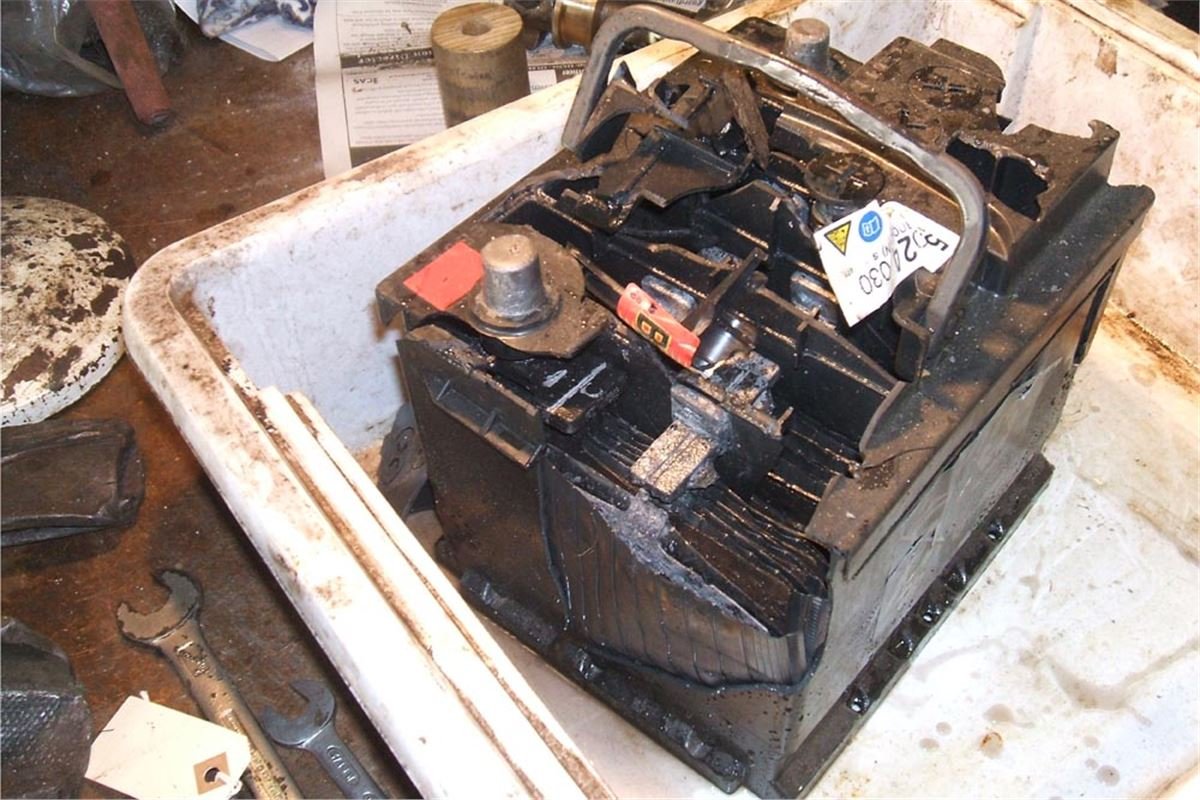 A car battery can explode for several reasons, most of which involve a buildup of hydrogen gas and a spark that ignites it. Common causes include:
- Overcharging – When a battery is overcharged, it produces excessive hydrogen and oxygen gases. If these gases accumulate and a spark occurs, it can cause an explosion.
- Short circuits – Internal or external short circuits can create sparks or heat, igniting the hydrogen gas around the battery.
- Loose or corroded terminals – Poor connections can cause arcing (tiny sparks) when current flows, which can ignite gas near the battery.
- Jump-starting mistakes – Incorrectly connecting jumper cables (reversing polarity or connecting to the wrong terminals) can cause sparks and explosions.
- Physical damage – Cracks or punctures in the battery casing can allow gas or acid to leak, increasing the risk of ignition.
- Old or poorly maintained batteries – As batteries age, internal components degrade, increasing the chance of internal short circuits or gas buildup.
- Charging in poorly ventilated areas – Without proper ventilation, hydrogen gas can accumulate around the battery, making even a small spark dangerous.
To prevent explosions, always handle batteries carefully, ensure proper ventilation during charging, and follow correct procedures when jump-starting or maintaining your car.
Leave a Reply